
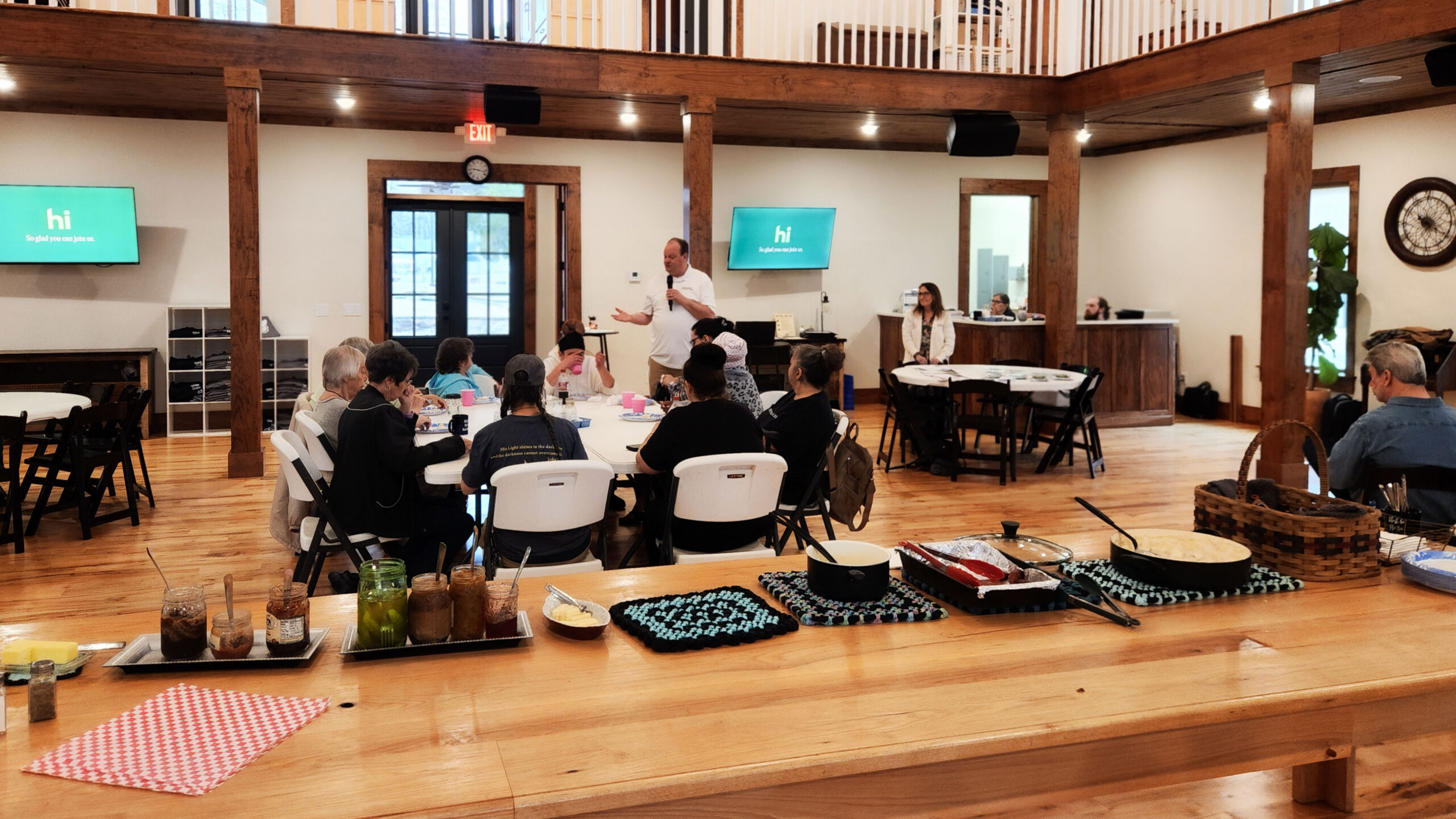
At our recent Biscuits ‘n’ Tips gathering at The Ledge in Jackson, Tennessee, we welcomed guest speakers Bryson McQuiston, Calista Joyce, and Melanie Davis from Home Instead. They shared valuable insights into how in‑home care supports seniors who want to remain safe, independent, and comfortable in the place they call home. Below is a recap of the key topics discussed and resources available for families navigating aging‑related changes.
The Growing Need for In‑Home Care
Many older adults hope to remain in their homes as they age, yet unexpected health changes can make daily living more challenging. In‑home care services provide personalized support that helps seniors maintain safety, independence, and dignity during times of transition.
Help With Everyday Household Tasks
As families become more geographically spread out, seniors may struggle to keep up with routines that once felt easy. Home care teams can step in to help with:
- Light housekeeping
- Laundry
- Meal preparation
- Basic household chores
This support keeps the home safe, clean, and functional.
Promoting Healthy Eating and Nutrition
Nutrition often declines with age or those who have lost a spouse or feel less motivated to cook. Caregivers help by:
- Preparing balanced meals
- Encouraging consistent eating routines
- Reducing the risks associated with poor nutrition
Good nutrition directly impacts strength, energy, and long‑term health.
Medication Reminders and Routine Support
Managing multiple medications can quickly become complicated. Caregivers provide gentle reminders and organizational assistance so medications are taken safely and consistently.

Transportation and Mobility Assistance
When driving becomes difficult, routine errands and medical appointments may be missed. Home care professionals help seniors stay connected by providing transportation to:
- Doctor’s appointments
- Therapy sessions
- Grocery shopping
- Social or community activities
This support helps seniors remain active and engaged.

Dignified Personal Care
Bathing, grooming, and dressing may become harder due to aging, surgery, or mobility changes. Caregivers offer respectful, one‑on‑one assistance that helps seniors feel safe, clean, and comfortable.
Specialized Support for Alzheimer’s and Dementia
Memory‑related conditions can create significant stress for families. Trained caregivers provide:
- Structured routines
- Safety oversight
- Dementia‑aware communication
- Engaging activities appropriate for cognitive needs
This support allows individuals to remain at home longer while giving family caregivers much‑needed relief.
Working Alongside Home Health and Hospice
While home care is non‑medical, it plays an essential role alongside home health and hospice teams. Medical professionals handle skilled care, while home care fills in the daily gaps with:
- Companionship
- Safety monitoring
- Hands‑on daily support
- Communication with healthcare providers
Together, these services create a more complete and continuous care experience.
Financial Options for Home Care
Families are often unaware of the many resources available to help with care costs. Options can include:
- Long‑term care insurance
- Veterans benefits such as Aid & Attendance
- Private pay
- Emerging Medicare‑related dementia programs
Exploring these options early can help families plan confidently for future needs.
A Relationship‑Focused Approach
Home Instead emphasized how much caregiver‑client relationships matter. They prioritize:
- Thoughtful caregiver matching
- Consistent schedules
- Specialized training
- Compassionate, experienced staff
This relational approach builds trust and helps seniors feel more secure at home.

10 Signs Your Loved One May Need Additional Support
These are common indicators that it may be time to consider in‑home care:
- Household bills are piling up
- They are reluctant to leave home
- Loss of appetite or disinterest in meals
- Declining personal hygiene
- Decreased confidence or safety behind the wheel
- Scorched pots or kitchen mishaps
- Signs of depression or withdrawal
- Missed doctor’s appointments or social engagements
- Noticeable decline in home cleanliness or organization
- Difficulty managing or remembering medications
Recognizing these signs early allows families to intervene before a crisis occurs.
Home Instead Care Services
The speakers highlighted the range of services Home Instead offers to meet diverse needs:
- Personal Care
- Companion Care
- In‑Home Memory Care
- Respite Care
- End‑of‑Life Care
- 24‑Hour Care
- Hospital‑to‑Home Care
- Chronic Condition Support
Where In‑Home Care Makes the Biggest Impact
Caregivers can assist with a variety of daily living tasks, including:
- Bathing, dressing, and toileting
- Shopping and meal preparation
- Light housekeeping
- Medication reminders
- Transportation and errands
- Dementia support
- Respite for family caregivers
- Chronic condition management
A Heartfelt Thank You
A special thank‑you to Bryson McQuiston, Calista Joyce, and Melanie Davis for sharing their expertise and commitment to senior care. Your insight helps our community understand how to better support aging loved ones with dignity, compassion, and practical care solutions.

Resources:


