
Biscuits ’n’ Tips Highlights:
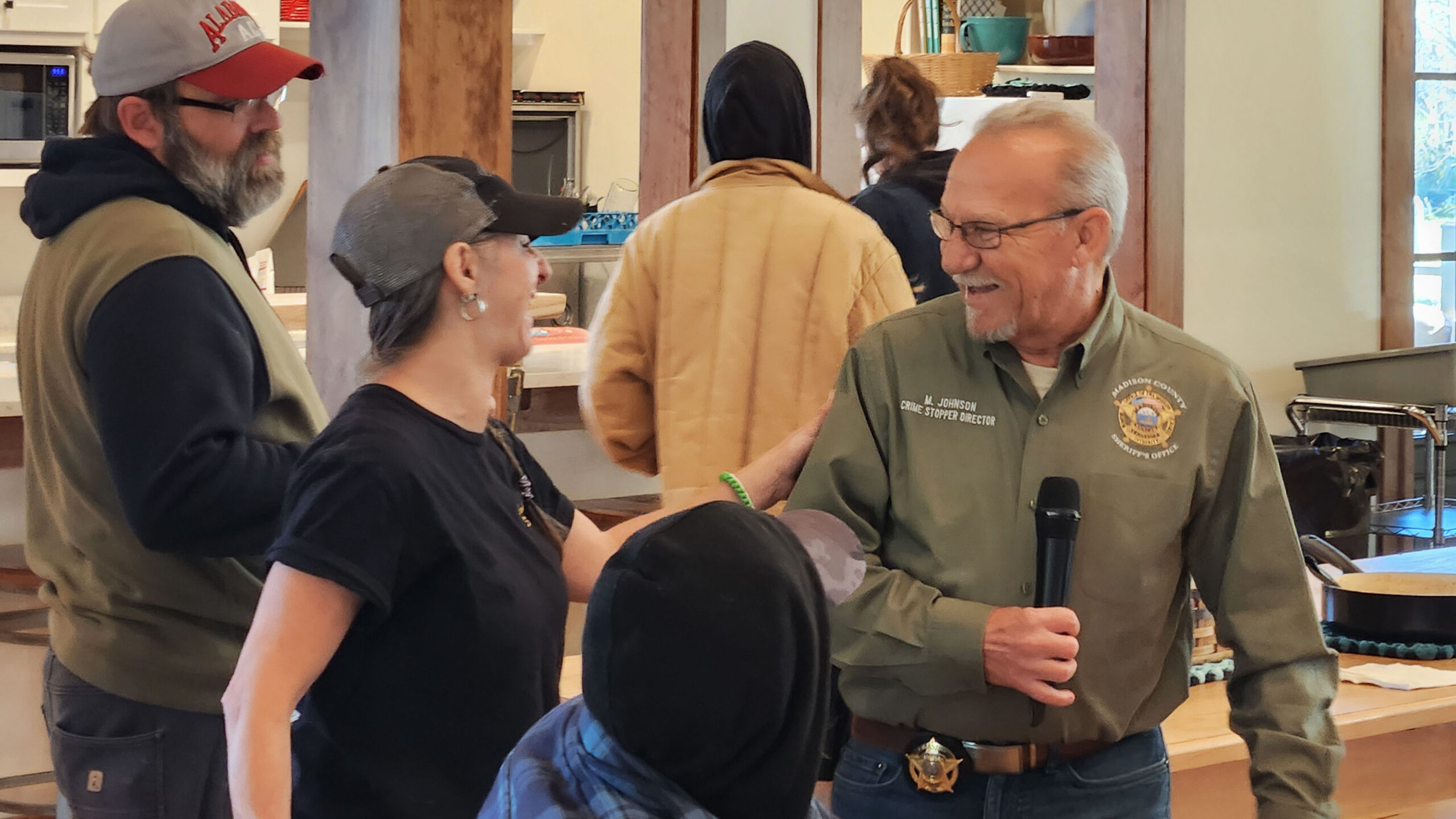
At this week’s Biscuits ’n’ Tips at The Ledge, attendees heard from Mike Johnson with Crime Stoppers of Jackson–Madison County, a man with more than four decades of experience in law enforcement and a passion for helping victims.
Johnson shared that he spent over 43 years in law enforcement. Over the years, he worked patrol, traffic, criminal investigations, narcotics (including undercover work across multiple counties), and served on SWAT as a sniper. Eventually, family needs, especially wanting more time with his daughter, led him to Crime Stoppers. What began as a “day job” turned into a calling he truly enjoys.

Helping Victims First
A core theme of Johnson’s talk was that Crime Stoppers isn’t just about arrests, it’s about helping victims get their property and peace of mind back.
“When your home or vehicle is broken into, your first question isn’t ‘Did you catch them?’ it’s ‘Where’s my stuff?’” Johnson said.
Crime Stoppers works alongside investigators to recover stolen property, disrupt criminal activity, and give the public a safe, anonymous way to help solve crimes.
How Crime Stoppers Works
Tips can be submitted anonymously by phone or through the P3 Tips app, which allows secure communication with Crime Stoppers without revealing your identity. No caller ID. No names. No court testimony.
Since its start in 1983, no Crime Stoppers tipster has ever been required to testify in court.
Rewards are paid anonymously using a code system and can be as much as $2,000, depending on the case. Johnson shared that just recently, rewards had been paid for tips that helped identify suspects and solve cases.

The Biggest Threat Right Now: Scams
While traditional crimes still happen, Johnson made it clear that scams are the fastest-growing and most damaging crimes today, especially:
- Text message scams
- Email scams
- Fake government or law enforcement calls
- Romance scams
- Marketplace and online sales scams
- Bitcoin and gift card scams
Even experienced professionals get targeted. Johnson recalled personally engaging with a scammer impersonating law enforcement, someone who knew real names, ranks, and agencies. Had he not been trained, he said, it could easily have worked.
One of the most heartbreaking patterns: victims often don’t report scams, either due to embarrassment or because they don’t realize what’s happened until months or years later. Johnson estimates law enforcement only hears about one-third of scam cases.
A Message for Families and Seniors
Johnson emphasized that scammers often use fear, urgency, and personal details such as family member names to manipulate victims, particularly seniors.
“No legitimate law enforcement agency, court, or government office will ever demand payment by gift card, Bitcoin, or over the phone.”
His advice was simple but critical:
- Hang up.
- Don’t click links.
- Don’t send money.
- Talk to someone you trust.
- Report it—even if you’re unsure.

Why Crime Stoppers Matters
Crime Stoppers is not funded by the city, county, or state to ensure tips remain truly anonymous. The program relies on community support, fundraising events, and donations.
At the end of the morning, Johnson reminded attendees that Crime Stoppers exists because ordinary people notice things and when they speak up safely, it can protect neighbors, families, and entire communities.